What to check before you book a dune buggy safari in Dubai
Booking a dune buggy safari dubai is easy to do in a few minutes, but the small details matter. The desert looks open and simple from a distance, yet the experience can feel very different depending on the route, the vehicle, the guide, and the safety setup. A little reading before you pay can help you choose an outing that suits your comfort level and avoids unwelcome surprises.
Start with the basics: what is included, who can join, and what happens if plans change. These points sound ordinary, but they shape the day more than most people expect. A short desert drive at sunset is not the same as a longer off-road route through steep sand dunes, and the right choice depends on your group, your time, and how much dust and movement you are happy with.
The vehicle and driving setup
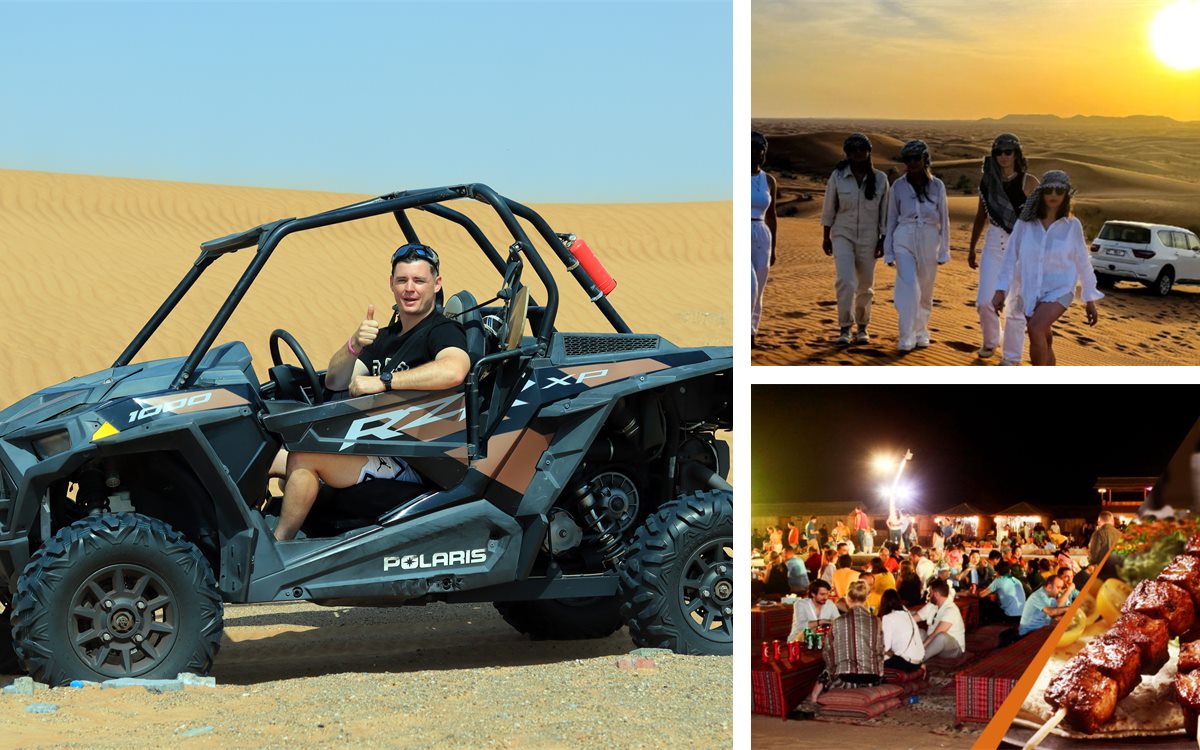
A dune buggy is not a normal city car with different tyres. It is built for loose sand, uneven ground, and quick changes in direction. Before booking, check whether the safari uses a single-seat buggy, a two-seat buggy, or a side-by-side vehicle for a small group. This affects how much control each passenger has and how the ride feels.
It is also worth checking whether you will drive yourself or ride as a passenger. Some visitors want the hands-on feel of off-road driving, while others prefer to relax and watch the desert. If you plan to drive, ask about the driving requirement and whether previous experience is needed. A reliable operator will be clear about this before the day, not after you arrive.
Pay attention to the type of route too. Gentle routes over firm sand suit families and first-timers. Steeper dunes and faster sections suit people who want a more active ride. The Dubai desert can change with the weather, so a responsible plan leaves room for adjustments rather than forcing every vehicle along the same line.
Safety gear and practical clothing
Safety gear is one of the most useful things to confirm in advance. Ask whether helmets, seat belts, and any other required protective equipment are provided. A helmet should fit properly, not sit loose or feel like an afterthought. If the buggy has a roll cage or other protective structure, that is also worth noting, especially for more demanding routes.
Clothing matters more than many first-time visitors realise. Loose, light clothing works well in warm weather, but it should not flap around or catch on the vehicle. Closed shoes are more sensible than sandals because they protect feet from hot sand and accidental contact. Sunglasses help with glare, and a face covering can make a real difference when dust rises behind other vehicles.
Heat is another practical point. A morning or sunset safari may feel more comfortable than a midday outing, particularly for children or older travellers. Even when the air looks clear, the desert can be dry and bright. Bring water if that is allowed, and follow the advice given on the day about hydration and rest.
The guide and the pace of the outing
A guided tour can make the experience calmer and easier to follow. The guide sets the pace, explains the route, and helps the group stay together across open sand. Before booking, check whether the guide speaks a language you understand well enough for safety instructions. Clear communication matters when the terrain changes and drivers need to respond quickly.
Group size also changes the feel of the safari. A smaller group often means less waiting and more space between vehicles. A larger group can feel lively, but it may also create more dust and a busier pace. If you are travelling with children, a slower and shorter outing may be more enjoyable than trying to fit in every possible activity.
Some packages add extras such as a sunset safari stop, photos, desert wildlife comments, or time at a desert camp. Check how much time is spent driving and how much is spent at stops. This helps you judge whether the day matches your interests. A long camp visit is fine if you want a relaxed evening, but less suitable if the main reason for booking is driving over sand dunes.
What to confirm before paying
Before you commit, look for clear written details. When comparing options on aljazeeratours.com, keep the same set of questions in mind so each choice is easy to judge. The clearest listings explain the route style, the vehicle type, the meeting point, the duration, and what happens if weather affects the plan.
Here are the main points to check, each with a short reason:
- Vehicle type and seating. This decides whether you drive, ride along, or share a buggy, and it affects comfort on rough sand.
- Safety equipment and instructions. Proper helmets, seat belts, and clear briefings help everyone understand how to behave on the route.
- Route length and difficulty. Steep sand dunes and fast sections are more demanding than a gentle circuit on firmer ground.
- Timing and weather policy. Heat, wind, and sand conditions can change the quality and safety of the outing.
- Inclusions and exclusions. Knowing what is covered prevents confusion about transport, activities, meals, or extra charges.
When reading the details, be cautious with vague wording. Phrases like "short drive" or "desert adventure" do not tell you much on their own. A useful listing gives enough information to picture the day. It should be clear about where the experience begins, how long it lasts, and whether there are rest stops.
Health, age, and comfort limits
Not every desert outing suits every traveller. Bumpy ground can be uncomfortable for people with back problems, neck issues, or motion sensitivity. Pregnancy, recent injuries, and certain health conditions are also reasons to seek medical advice before booking an activity with sharp turns and uneven terrain.
Age rules can vary by vehicle and by operator, so check them carefully if children are joining. A child may enjoy the desert setting but still find the motion too intense. It is better to choose a milder route and leave the ambitious driving to adults. The same applies to anyone who wants a smooth ride with little dust.
Think about personal belongings too. Phones, cameras, and wallets can collect dust quickly in an open buggy. A small sealed bag helps, and a neck strap or secure pocket reduces the chance of dropping items. If you want photos, agree on safe stopping points rather than trying to film while the vehicle is moving.
It is also sensible to ask how the operator handles delays or changes. Desert conditions can affect visibility and traction, especially after wind or heavy use of a route. A thoughtful plan may include a shorter drive, a different area, or a pause until conditions improve. That flexibility is a good sign, because the sand should never be treated as predictable.
Matching the safari to the kind of day you want
The best choice is rarely the most dramatic option on the page. Think about what you actually want from the experience. Some travellers want the rush of off-road driving across sand dunes. Others want a slower route, a chance to watch the light change, and a quiet stop away from the busier areas. Both can be worthwhile when the safari is matched to expectations.
Use aljazeeratours.com as one reference point while you compare the details that matter to your group. A good booking decision usually comes down to fit: the right vehicle, a route with a suitable pace, clear safety information, and honest timing. Once those points line up, the day is far more likely to feel smooth from the first briefing to the final stop.
Before you confirm, reread the terms around cancellation, changes, and what happens if you arrive late. These details are not exciting, but they can save frustration. Check the meeting point carefully and allow extra time for traffic in a busy city. The drive out to the desert is part of the day, and a relaxed start sets a better tone than rushing to catch a group.
A dune buggy safari in Dubai can be a memorable way to see the desert, especially when the practical points are settled early. Check the vehicle, the people guiding it, the route, the safety setup, and the fine print. Then choose the option that fits your comfort level rather than chasing the loudest promise.